Understanding the Algorithm Differences Between YouTube Shorts and TikTok
SUMMARY YouTube Shorts and TikTok both offer massive opportunities for creators in the short-form video space, but their recommendation algorithms differ significantly. TikTok rapidly tests and promotes new content based on micro-engagements, while YouTube Shorts relies on broader user history and channel authority. Understanding these differences helps creators tailor content strategies to maximize reach and engagement across both platforms.
In the rapidly evolving world of short-form video content, YouTube Shorts and TikTok have emerged as leading platforms capturing billions of views. While both offer creators tremendous opportunities to reach audiences quickly, understanding their algorithmic differences is key for success. This article explores how YouTube Shorts and TikTok recommend content differently, helping you optimize your videos for maximum engagement.
Overview of YouTube Shorts and TikTok Platforms
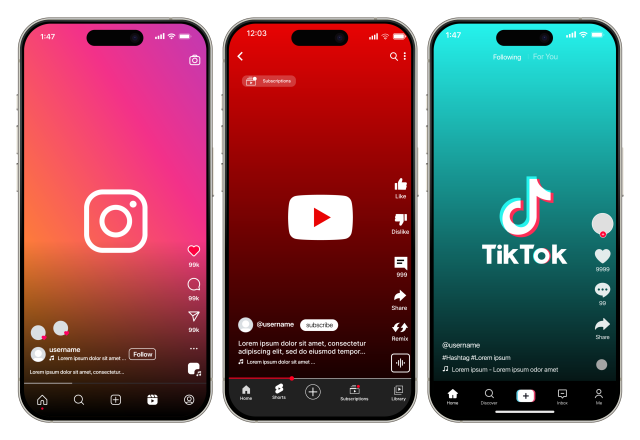
YouTube Shorts is a relatively new feature within the established YouTube ecosystem designed for vertical, short-form videos up to 60 seconds long. TikTok, on the other hand, pioneered short-video sharing and boasts a dedicated app focused solely on this format. Both platforms emphasize discovery through personalized feeds but operate with distinct user bases and content styles.
How TikTok’s Algorithm Works
TikTok’s algorithm is renowned for its highly personalized “For You” feed that uses machine learning to analyze user interactions such as likes, shares, comments, watch time, and even video information like captions or hashtags. It rapidly adapts to viewer preferences by exposing users to new content based on subtle engagement signals, enabling viral trends often sparked by niche communities.
Understanding YouTube Shorts’ Recommendation System
YouTube Shorts leverages Google’s powerful recommendation engine integrated into the broader YouTube platform. It considers factors such as user watch history across all types of videos on YouTube (not just Shorts), subscriber behavior, video metadata like titles and tags, and overall channel authority. This integration means that creators with established channels may experience different growth dynamics compared to newcomers focused solely on Shorts.
Key Differences Between The Two Algorithms
While both algorithms prioritize watch time and engagement metrics heavily, TikTok’s system tends to promote new creators more aggressively by testing fresh content widely before honing in on audience preferences. Conversely, YouTube’s recommendation system benefits from extensive data across multiple content formats but may lean towards promoting creators with consistent channel performance over time. Additionally, TikTok emphasizes trend participation heavily through challenges and sounds; meanwhile, YouTube encourages leveraging existing subscriber bases alongside trending topics.
Tips For Creators To Succeed On Both Platforms
To maximize success across both platforms: tailor your content style—TikTok thrives on authentic viral moments whereas Shorts benefit from polished yet relatable clips; optimize video length around 15-30 seconds for higher completion rates; use relevant hashtags strategically; engage actively with your community in comments; experiment consistently while tracking analytics specific to each platform’s insights tools. Understanding these algorithm nuances allows creators to craft smarter strategies when competing in this vibrant short-video landscape.
Navigating the competitive space between YouTube Shorts and TikTok requires an appreciation of how each platform curates content uniquely through their algorithms. By adapting your approach according to these insights while delivering engaging stories or entertainment consistently, you can harness the strengths of both platforms effectively.
This text was generated using a large language model, and select text has been reviewed and moderated for purposes such as readability.